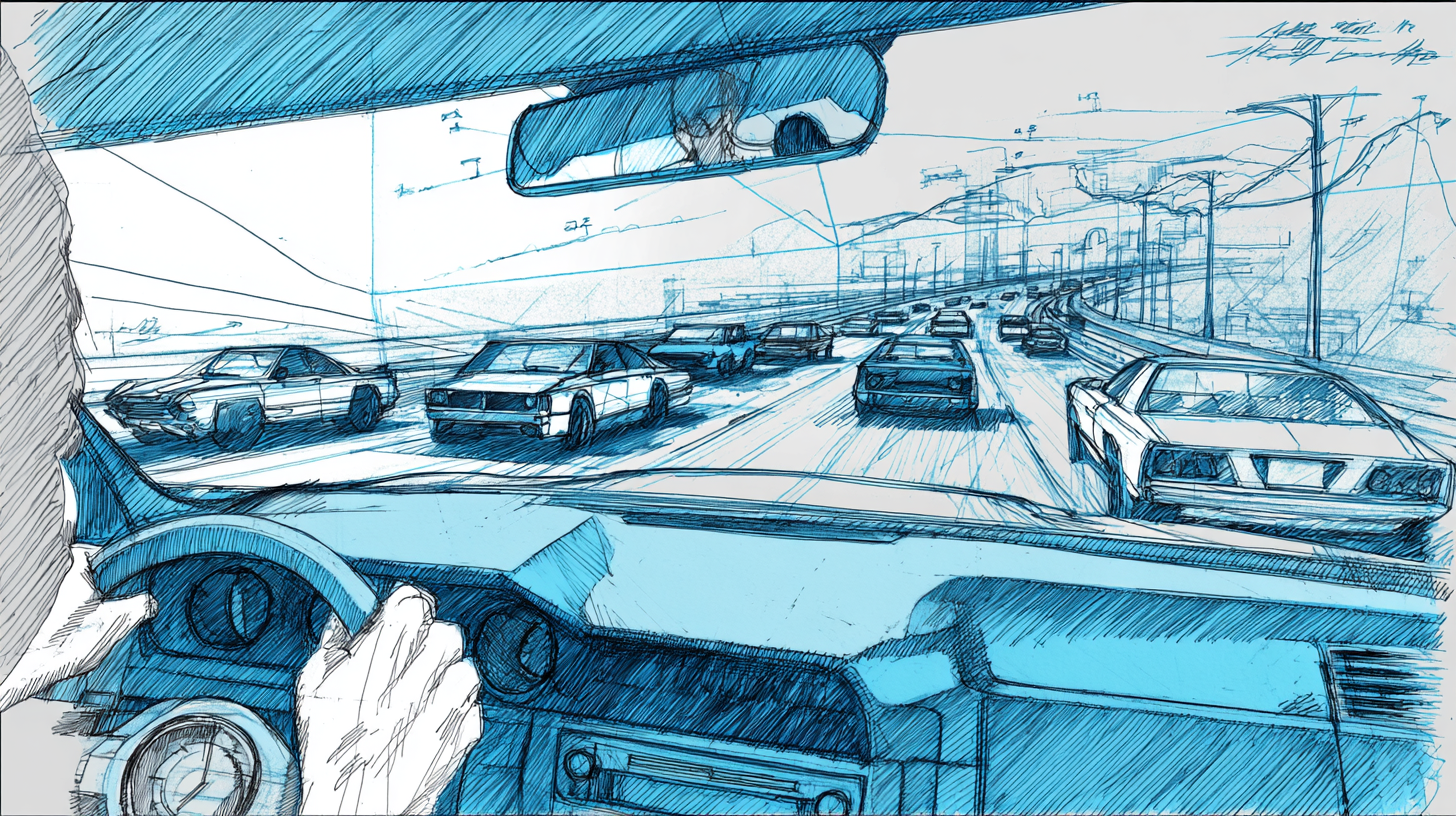

Beyond the car. Beyond the consultants
Honda came in with a clear mandate and a clear frustration. The mobility innovation landscape had been littered for two decades with the same futures: autonomous highways, subscription fleets, seamless last-mile handoffs. Honda had seen all of it. They weren’t looking for another version of that story.
What they needed was something grounded in where people actually are — the shifting demographics, the economic uncertainty, the changing relationship with ownership — and a methodology that could make their own deeply cross-functional team the source of the ideas, not just the audience for them.
They also needed those ideas to be actionable. Feasible. Shaped by the real constraints of engineering, logistics, and a customer base famously loyal and notoriously resistant to change.
Reframing Mobility for Honda’s Next Era
Services
Social and economic research synthesis
Cross-functional facilitation design
Custom generative AI tooling
Concept refinement and narrative development
Contributors
Rai Inamoto
V Murali
Sarah Bernstein
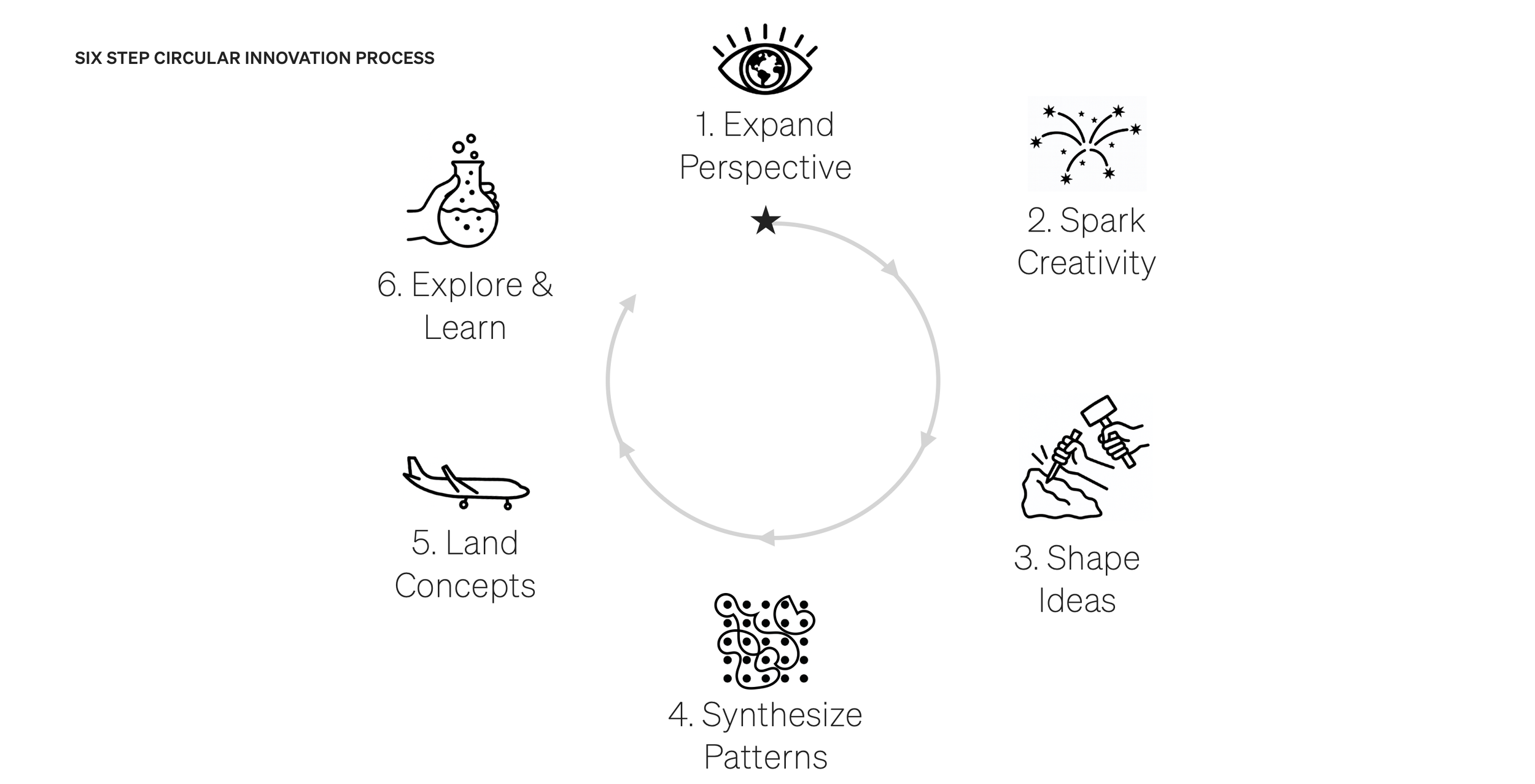
Research-grounded.
Facilitation-led.
Built for non-designers.
The engagement moved through three interlocking phases:
Social & Economic Research
We mapped the macro forces reshaping mobility demand — demographic shifts, psychographic change, economic uncertainty heading into the second quarter of the century, and the fraying relationship between younger consumers and traditional car ownership. These weren’t trend slides. They were jumping-off points built to surface tension, not confirm assumptions.
Purpose-Built AI Tooling
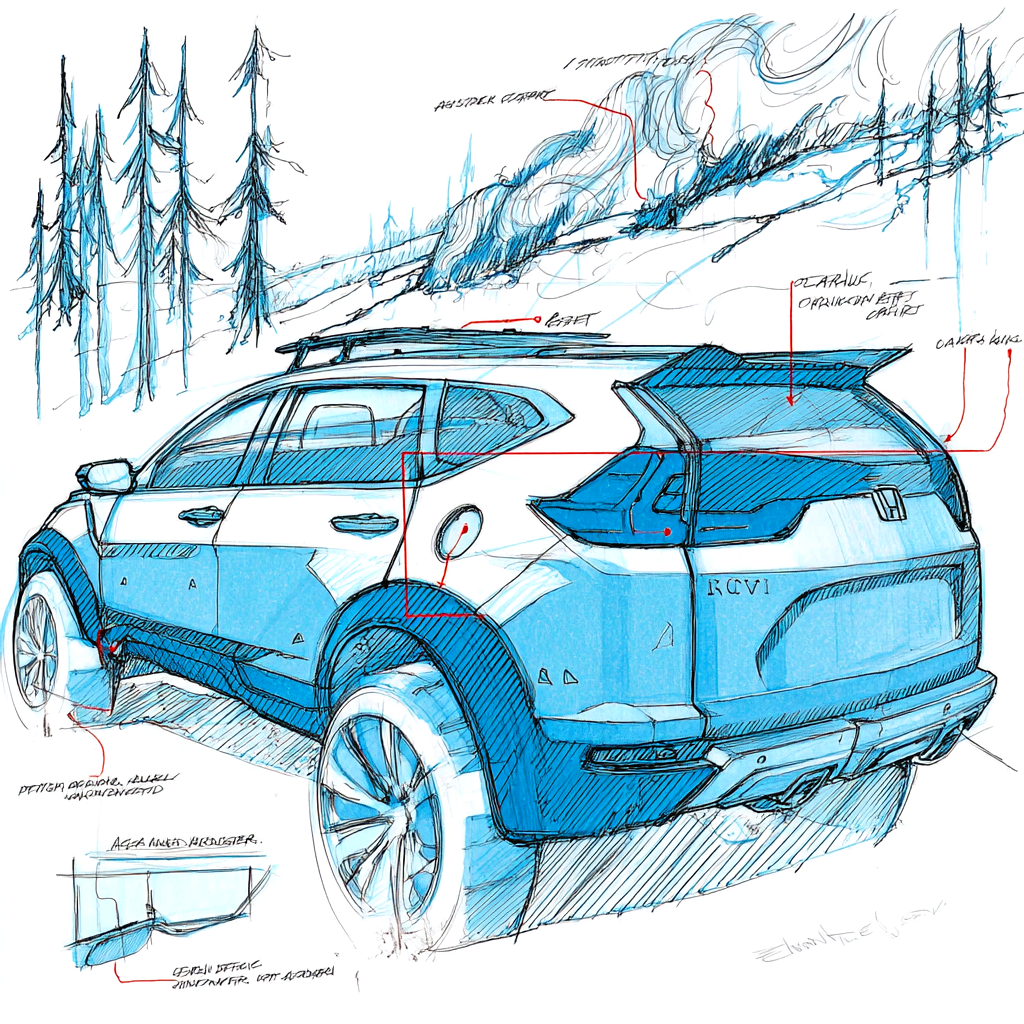
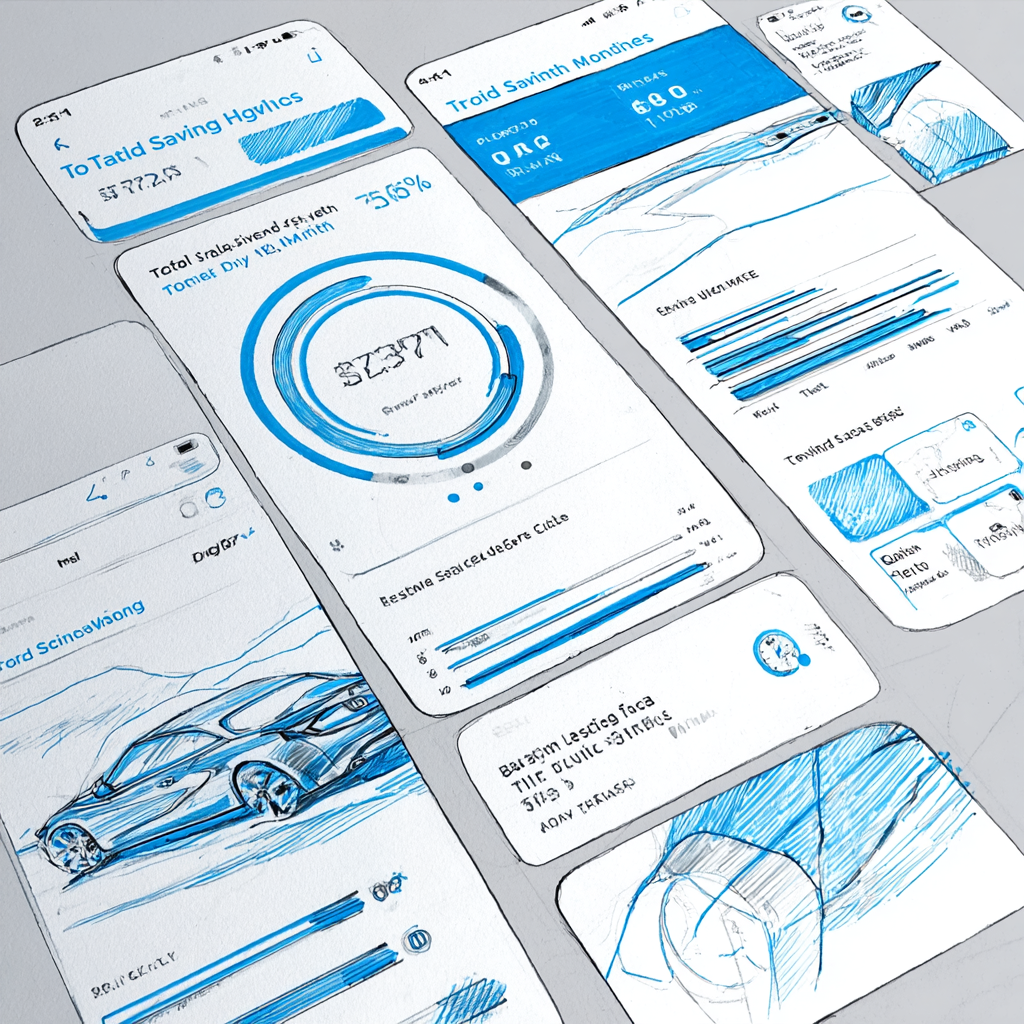
I designed and built a suite of custom generative AI tools purpose-built for the engagement. One helped teams rapidly process and interrogate the research corpus. A second helped capture, format, and sharpen concept stories in real time. A third generated unique, on-brief visualizations for every team’s concept — so that people who had never called themselves designers could walk out of the room with something that looked and felt like a real product idea.
Structured Facilitation Sprint
The ideation session brought together a genuinely deep-bench interdisciplinary group: R&D, product development, engineering, interiors, marketing, communications, sales, logistics, and procurement. Most had never participated in a design sprint. That was the point.
The facilitation was designed to move from small hunches — loose areas of interest sparked by the research territories — through to fully articulated concept definitions, with each team’s thinking shaped by what they actually knew: customer behavior, engineering constraints, supply chain reality, corporate culture.
In a single day, the group developed 27 concepts. My team then distilled these into 5 refined product and experience concepts, which we took back to the integrated Honda team. Three of those moved forward to global leadership.
MARKET CONTEXT
The stakes behind the work
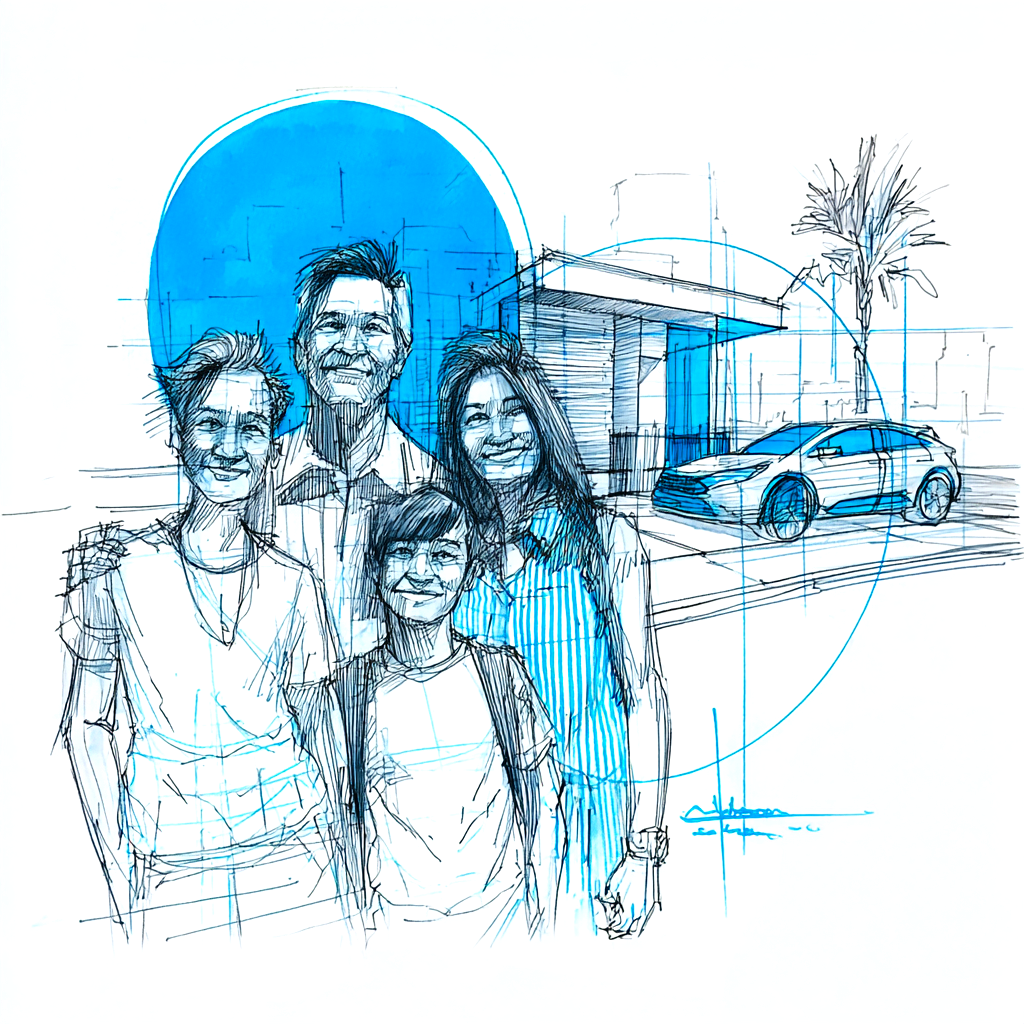
Honda is the third-largest automaker by global market share and the #4 best-selling brand in the US. With $135B in annual revenue and a North American business that accounts for more than half of total company income, the decisions coming out of this initiative carry extraordinary weight.
The market they’re moving into is growing fast. The autonomous and smart-driving vehicle sector is projected to reach $200B+ by 2030, with adoption of partial-to-full automation jumping from roughly 8% of new vehicles in 2024 to 28% by the end of the decade. Beyond the car itself, McKinsey projects that autonomous driving could unlock $300–400B in new revenue streams by 2035 — in software, subscriptions, data, and mobility services.
Honda’s exceptionally loyal customer base and unusually long vehicle life cycles aren’t just a strength — they’re a strategic asset for building the kind of deep ecosystem relationships this work explored.
Concepting the Honda ecosystem
The three concepts presented to global leadership spanned meaningfully different opportunity spaces:
New product categories and trim packages — extensions of Honda’s lineup designed for emerging use cases and shifting ownership patterns
Autonomous rollout and roadmapping approaches — new frameworks for deploying self-driving capability in ways that align with Honda’s culture and customer trust
Ecosystem partnership models — new approaches to relationships with insurance providers, data markets, and mobility platforms that leverage Honda’s uniquely loyal customer base and famously long product lifespan
The work is currently informing Honda’s engineering capacity development and a new partnership strategy to move beyond the vehicle product into a deeper mobility ecosystem
6
Refined ideas for cross-functional review
21
Concepts generated in a single sprint
3
Realized product & service ideas presented to global leadership
Currently Active
Engineering capacity & partnership development underway
WHY THIS WORK REQUIRED MY SKILL SET
The interdisciplinary advantage
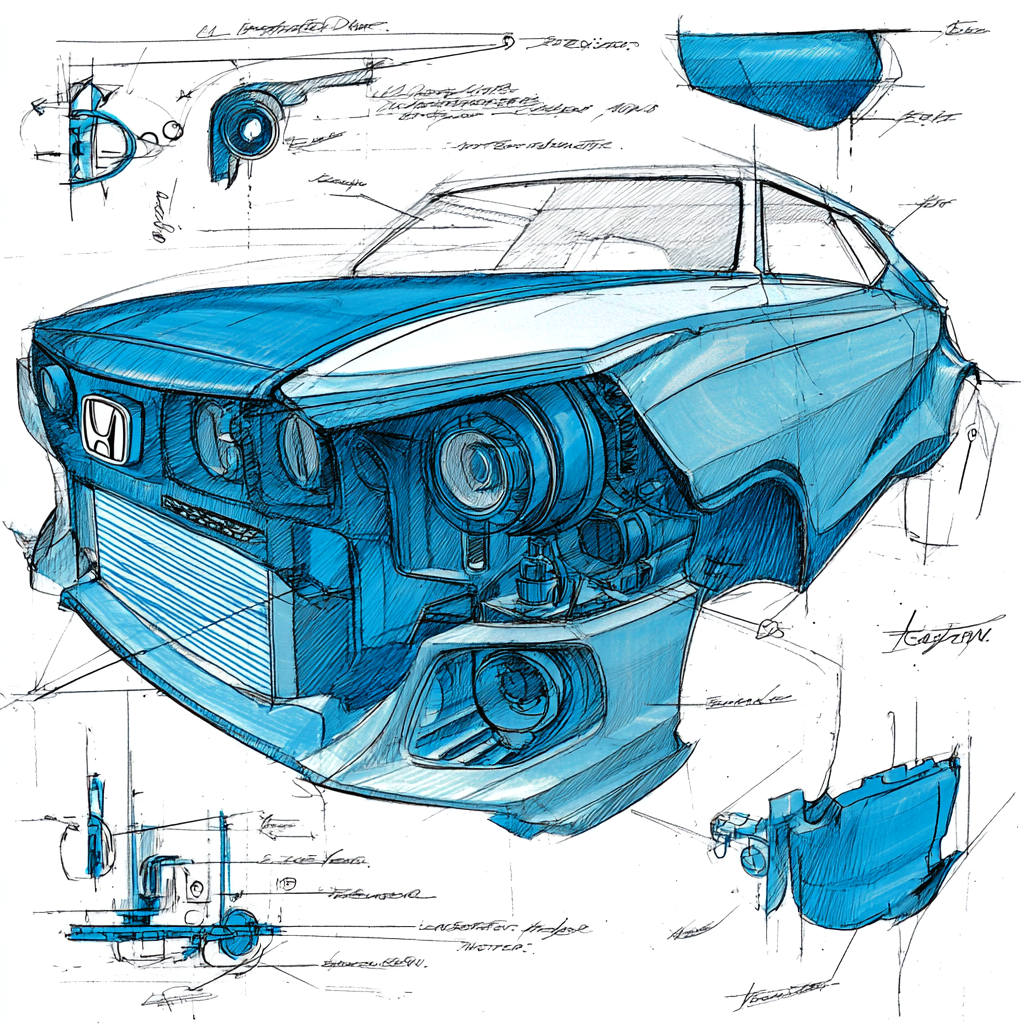
This project required someone who could hold multiple systems simultaneously: the research landscape, the organizational dynamics, the facilitation design, the AI tooling, and the concept narrative — and move fluidly between them without losing the thread.
I designed the insight architecture and the facilitation methodology. I built the AI tools that made the sprint possible. I ran the session with a room full of Honda leaders who had never been asked to ideate before. And I shaped the final concepts into stories compelling enough to reach global leadership.
What makes this kind of work possible isn’t specialization. It’s the ability to connect the ethnographic with the organizational, the speculative with the feasible, the insight with the form. That’s the work I do best.